EBRD’s Investments in Public Transport in Bishkek, Kyrgyzstan
#BishkekSmog issue paper for the EBRD Annual Meeting — 2026 Riga, Latvia
4 June 2026
During the last fifteen years, the EBRD has made the following investments to the Kyrgyz Republic, to be on-lent to the City of Bishkek, for the development of the capital city’s public transport network:
- Bishkek Public Transport Project: #41492, Approval date — 11 Oct 2011, USD 10 million for the purchase of 79 new trolleybuses in 2011 and 2014and a partial rehabilitation of the related infrastructure.
- Bishkek Public Transport Project Extension: #47624, Approval date — 02 Sep 2015, EUR 8.4 million, including a EUR 5 million sovereign loan and related technical cooperation funds, financed the purchase of 52 new trolleybuses in 2018; the TC funds financed a Public Transport Development Strategy; review of City’s strategic planning documents and Urban Transport Master Plan; development of new public transport route network, among other acrivities.
- GRCF2 W2: Bishkek Buses: #51598, Approval date — 17 November 2020, EUR 25 Million loan for financing the rehabilitation of a bus depot and the purchase of urban buses that run on compressed natural gas (CNG); co-financed with a capital grant of up to EUR 8 million from the EBRD Shareholder Special Fund (SSF) and/or international donors. The technical co-operation assignments as part of this Project included the development of a Green City Action Plan.
In April 2024, the City of Bishkek informed the public of its decision to transfer Bishkek trolleybuses to the City of Osh. It also informed the public of its plans to transition from trolleybuses to buses.
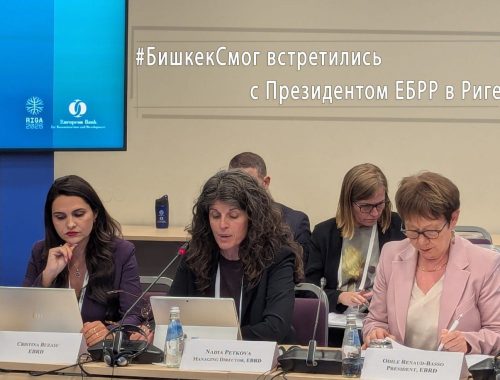
Concerned citizens raised the issue with EBRD management in May 2024, both with Bishkek Resident Office and at the Annual meeting forums in Yerevan and London.
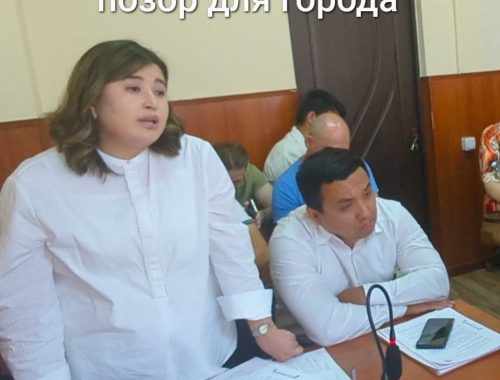
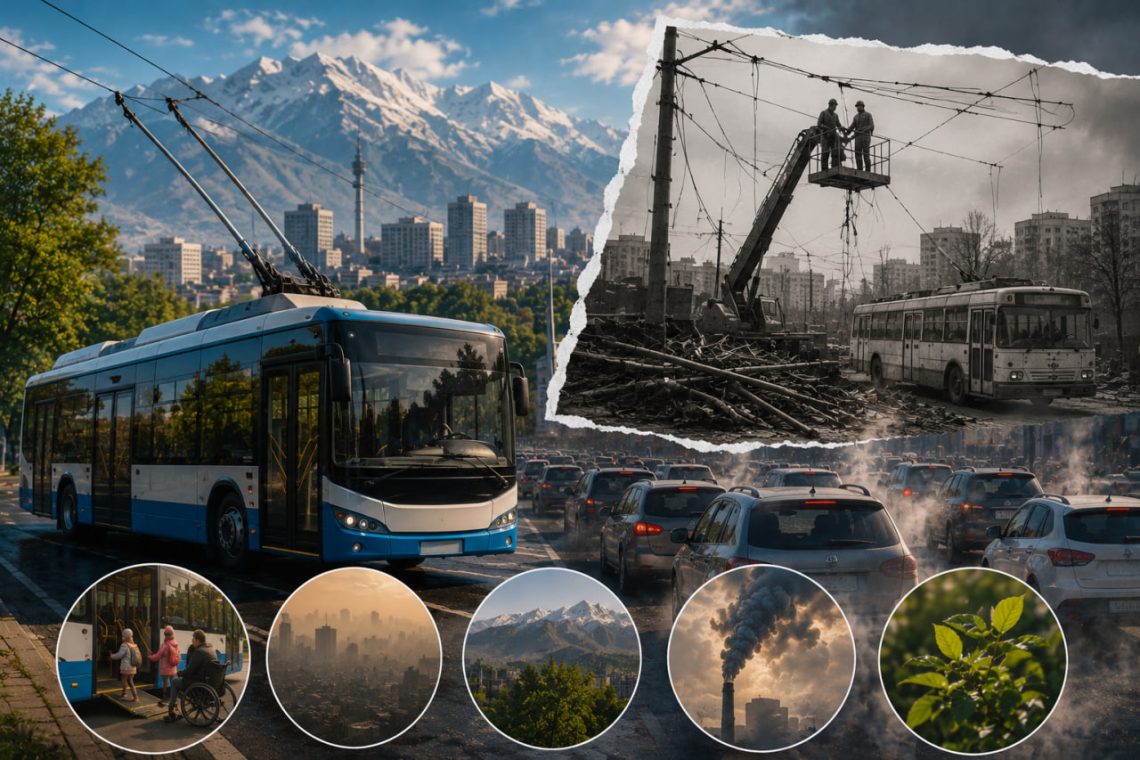
On 29 August 2024 Bishkek City Council formally made a formal decision to transfer 100 trolleybuses from Bishkek to Osh, while the dismantlement of the trolleybus network started on 19 June. In November 2024 the trolleybus service was stopped, resulting in public transport shortages, increased use of car and CNG buses, worsening air quality and less inclusive services for passengers with special mobility needs.
According to its Environmental and Social Policy, the EBRD had the following obligations under Article 39 on Operational changes:
“Changes can occur in the nature and scope of the project or the EBRD operation following Bank approval and signing. Such changes may have significant environmental or social implications associated with them. When such material changes are envisaged, the Bank will carry out an appraisal of the proposed changes in accordance with this Policy and any additional due diligence investigations, public consultation requirements, and environmental and social mitigation measures will be incorporated into the modified/ restructured project documentation. Where operational changes will result in a materially different environmental and/or social scenario than approved by the Bank, the change will be reported to senior management and if appropriate submitted to the Board for information or approval.”
The loss of the whole trolleybus network in the city of Bishkek represents significant material changes to the two trolleybus projects and significantly undermines the projects’ and Technical Cooperation’s objectives for improving the city’s public transport and mobility. Namely, the complete loss of assets acquired with the EBRD loans occurred as the client was repaying the two loans and about to repay the loans.
After concerns were raised by civil society, the EBRD has attempted to clarify with its client the fate of the trolleybuses and to warn the City of Bishkek about its potential breach of obligations under the loan contracts. While civil society groups appreciate this, we also believe that the EBRD should have initiated an E&S assessment of the consequences of the displacement of the trolleybus system, such as air pollution and related health risks, loss of jobs of trolleybus company workers (as around 600 workers lost their income), inclusion of under-served groups (people with disabilities, mothers, children and the elderly) and increased GNG emissions. Such assessment was not done, to our knowledge, and therefore proper mitigation of the range of negative impacts could not be discussed in an evidence-based manner with affected and interested stakeholders.
For example, did the EBRD request a Retrenchment Plan from its client, to ensure that adverse impact on workers of the trolleybus company was mitigated properly?
The EBRD and its Independent Project Accountability Mechanism need to answer:
Did the EBRD take the necessary measures as required by its safeguards policy, to ensure the sustainability of its investments and the proper mitigation of adverse environmental, health, labour and other social impacts resulting from significant material changes to the Bishkek public transport projects?
For more information: Bishkek.smog@gmail.com
Web: https://bishkeksmog.info/
www.facebook.com/groups/bishkeksmog/
Instagram @bishkeksmog
Telegram: https://t.me/bishkeksmog
YouTube: www.youtube.com/@bishkeksmog