59th ADB Annual Meeting — The Public Transport Electrification Project’s mistakes should be eradicated to reduce air pollution in Bishkek
Background
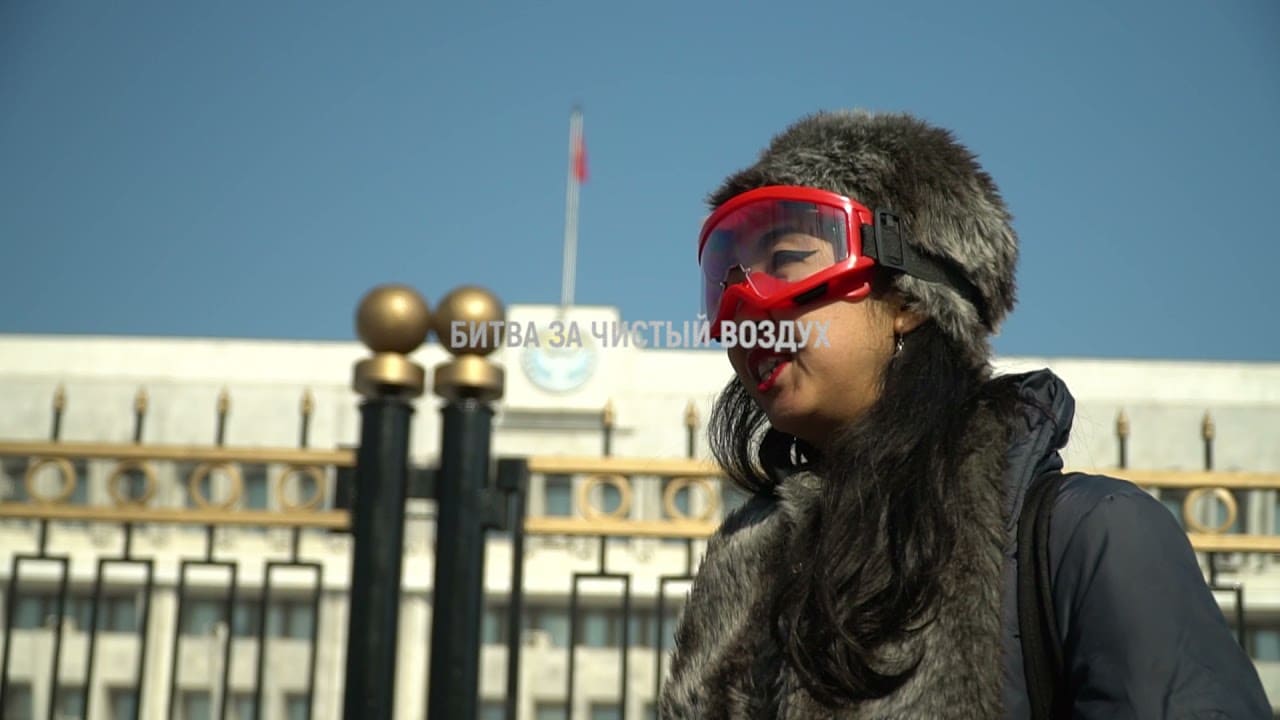
The Kyrgyz Republic’s capital, Bishkek, is experiencing a strong lack of public transportation, that makes a lot of problems for the population, including high traffic and air pollution, especially during winter when it is one of the most air-polluted cities in the world. Unfortunately, the 50 million ADB funds allocated by the UTEP project for the electrification of public transport were misused.
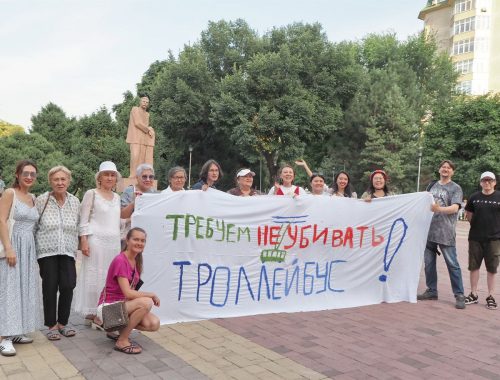
Instead of using parallely existed electric transport (trolleybuses funded previously by the European Bank for Reconstruction and Development (EBRD, 23,5 mln$) together with ADB e-buses, the Bishkek City Hall abandoned trolleybuses and replaced them with ADB transportation. As a result, 200 vehicles were removed from the streets. Unfortunately, to compensate for the lack of transportation, the government purchased CNG buses that use imported fossil fuels from Gazprom, and there is still a shortage of public transport in the city.
These so-called reforms have resulted in around 600 people losing their income and many losing their jobs in the city transport department. Conditions for people with disabilities regarding access to public transport have also deteriorated. Furthermore, residents who have voiced their opinions on the project are being subjected to pressure from the state, including even unlawful arrests.
Summary of Problem
The ADB-financed Urban Transport Electrification Project (UTEP) in Bishkek was designed to complement—not replace—the city’s existing zero‑emission system of electric transportation (trolleybus). Instead, implementation has resulted in the complete replacement of other EBRD electric transport with e-buses through the ADB UTEP project.
UTEP expectations: existing 185 zero‑emission electric vehicles + 120 ADB e-buses = about 300.
UTEP implementation: half of the trolleybus routes have been replaced by ADB e-buses, and half of them now operate with compressed‑natural‑gas (CNG) buses, increasing emissions and economic dependence on imported gas.
FACTS: 1) All trolleybus routes were replaced with electric/gas buses.
2) Six trolleybus routes were replaced by e-buses: № 2, 4, 5, 6, 10, and 11 (However, route № 5 had to be significantly altered to ensure sufficient battery power for operation).
3) Trolleybus routes № 7, 8, 14, and 17 were replaced with gas buses.
Despite ADB’s acknowledgment (letter from Country Director Joonho Hwang, 3 April 2025) that the removal was a unilateral local decision, no enforcement or supervision measures have been taken for more than one year.
The resulting outcomes contradict ADB’s safeguards standards, climate, governance, and gender commitments under its Country Partnership Strategy 2023–2027 and threaten Kyrgyzstan’s Paris Agreement NDC Measure 1.9 (“Expansion of the trolleybus fleet”).
Environmental & Social Harms and Human Rights Violations
Environmental: Zero‑emission fleet reduced; CNG routes emit more than before; Bishkek still ranks among the world’s most air-polluted capitals.
Social and Gender: 600+ workers dismissed without a transition plan, trainings, or fair income support; less of accessible, low‑floor transport for more than 10 000+ disabled residents, lack of sustainable public transportation.
Governance: Loan covenant ignored, tender records withheld, failure to disclose information, and reports that do not comply with requirements and project indicators.
Human Rights: no access to information, limited access now for people with disabilities, violation of Labour rights, access in decision making, especially for women, environmental rights, and civic space restrictions documented by UN Special Rapporteurs. Lead complainants were several times detained — important that they are women human rights defenders who are the most vulnerable group and most affected by the ADB project.
What we ask to be done:
- All Trolleybus workers should be paid meaningful compensation, training courses should be organised to retrain the staff identified in the project, and they should be employed as it was promised by the project.
- Initiate work with the government and the ADB management to create a new work scheme for providing Bishkek citizens with electric public transportation, as it was planned before.
- Initiate safeguard assessment of environmental and social outcomes and organize the working group.
- Grant full whistleblower and witness protection under AO 2.10 to civil‑society complainants facing retaliation.
Core Integrity and Safeguards Issues
- Feasibility Study by Grütter Consulting AG – alleged misrepresentation of data, undeclared conflicts of interest, and pre‑determined pro‑battery‑bus bias. No meaningful consultations and SCO involvement.
- Failure of ADB Supervision – non‑enforcement of covenants despite official admission of breach.
- Obstruction of Access to Information – ignoring the release of project information and monitoring data, contrary to ADB policy.
Conclusion
The Bishkek UTEP, intended as a climate and governance flagship, currently delivers climate regression, social harm, and loss of public trust. Early, decisive Board action is essential to uphold ADB’s integrity standards and safeguard the Bank’s climate credibility.
Supporting partners: CEE Bankwatch Network, Bir Duino Kyrgyzstan, Independent Accountability Council, IDEA CA, Association for People with Disabilities (Bishkek)
Project information: Kyrgyz Republic: Urban Transport Electrification Project
(UTEP, Loan 4149‑KGZ / Grants 0808‑KGZ, 0809‑KGZ, USD 50.65 million)
Prepared by: #BishkekSmog Initiative